
What is Degenerative Disc Disease?

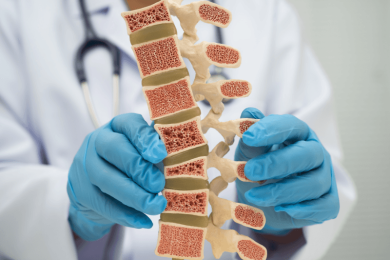
Degenerative disc disease (sometimes called DDD) is not actually a disease, but a natural condition where the spinal discs between your vertebrae begin to break down or dry out over time. These discs act as shock absorbers for your spine, providing cushioning and flexibility. When they lose hydration or develop small tears, the space between the vertebrae narrows, leading to reduced mobility and sometimes pain. This process, also known as intervertebral disc degeneration, affects nearly everyone to some degree as they age, but the severity and symptoms vary widely from person to person.
At our Spine Solutions locations in Hollywood, Boca Raton, and Coral Gables, board-certified orthopedic surgeon Dr. Behnam Myers takes time to differentiate between normal age-related changes and those that are actively contributing to your pain, ensuring you receive the right care for your specific spine condition.
What Are Some of the Causes of Degenerative Disc Disease?
While aging is the primary driver of intervertebral disc degeneration, several other factors can accelerate the process or make symptoms worse. Years of repetitive movement, heavy lifting, or high-impact sports can place additional stress on spinal discs.
Genetics also plays a role; if your parents had significant disc problems, you may be more prone to developing degenerative disc disease at an earlier age. Lifestyle choices such as smoking, poor nutrition, and carrying excess body weight can deprive discs of vital nutrients and increase load on the spine.
Injury is another common contributor. A previous fall, car accident, or sports injury that seems to have healed can create instability or micro trauma that leads to faster disc breakdown years later. Occupational risks are also significant for people in physically demanding jobs.
Whatever is causing your degenerative disc pain, we can help with a minimally invasive spine procedure that targets the cause and provides lasting relief.
Understanding Your Pain: Degenerative Disc Disease Symptoms
The symptoms of degenerative disc disease vary depending on where the affected disc is located in your spine. While some people experience only mild discomfort, others deal with pain that significantly impacts their quality of life.
Common degenerative disc disease symptoms include:
- A deep, chronic ache in the lower back or buttocks that worsens with sitting, bending, or twisting
- Pain that improves when changing positions, walking, or lying down
- Neck pain that radiates into the shoulders, arms, or hands
- Numbness, tingling, or weakness in the arms or legs
- Sharp or stabbing pain that makes it difficult to stand up straight
- Discomfort that interferes with sleep, work, or recreational activities
You may be a candidate for treatment at Spine Solutions if your symptoms have lasted more than a few weeks, are interfering with your ability to work or enjoy hobbies, or if you have tried rest, physical therapy, or medications without lasting success.
Expert Degenerative Disc Disease Surgery in Miami & South Florida
When conservative treatments like physical therapy, medications, or spinal injections do not provide adequate relief, Dr. Myers offers advanced surgical solutions for degenerative disc disease at our locations in Hollywood, Boca Raton, and Coral Gables. From your first consultation, we will explain exactly what is happening in your spine, show you your imaging, and walk you through every treatment option.
We are proud to serve patients from across South Florida, including Miami, Fort Lauderdale, and West Palm Beach, who want a surgeon who listens, respects their goals, and has the technical skill to deliver excellent outcomes. Request an appointment now to get started on finding relief for your degenerative disc pain today.
Frequently Asked Questions About Degenerative Disc Disease
Is degenerative disc disease the same as arthritis?
No, but they are related. Degenerative disc disease refers specifically to changes in the spinal discs, while arthritis affects the facet joints at the back of the spine. Many patients have both conditions simultaneously, which is why a thorough evaluation by Dr. Myers is so important.