What is a Herniated Disc?
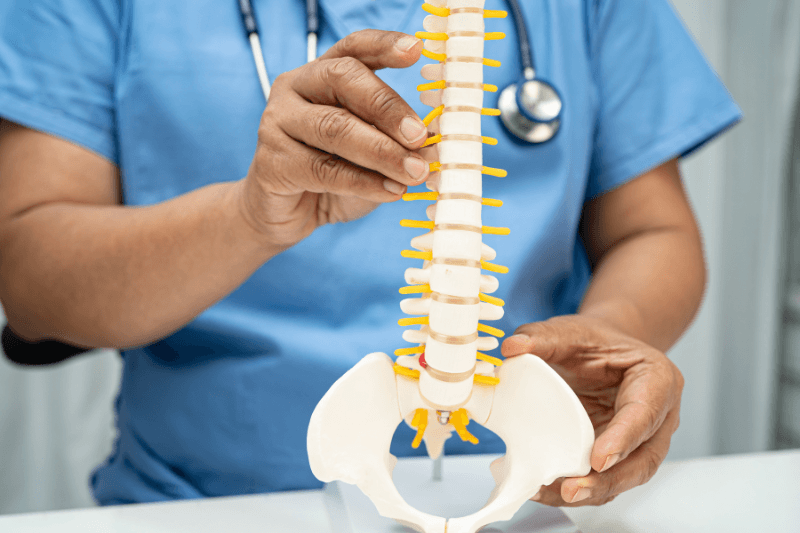
Your spine is built of vertebrae cushioned by intervertebral discs that act as shock absorbers, allowing you to bend, twist, and move comfortably throughout the day. When one of these discs becomes herniated, bulging, or ruptured, the impact on daily life depends largely on where in your spine the problem occurs.
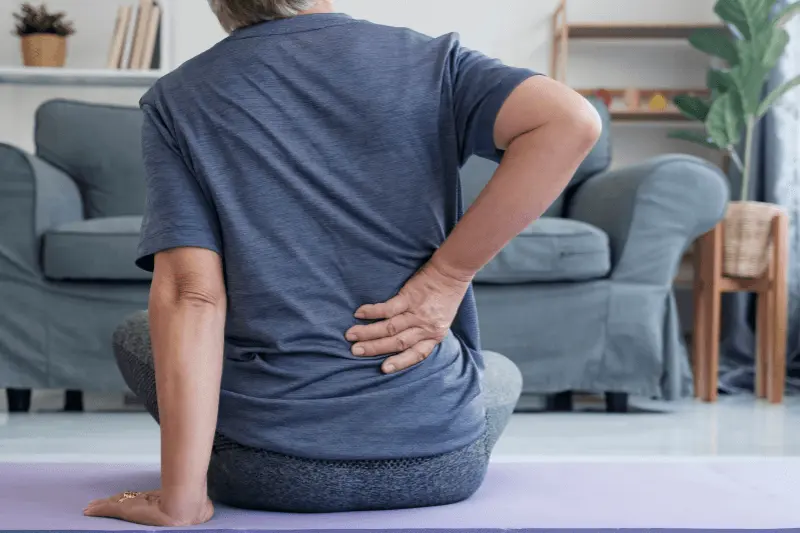
A cervical herniated disc in your neck can send shooting pain, numbness, or tingling down your arm and into your fingers, making it difficult to turn your head while driving, hold a phone to your ear, or sleep on a soft pillow. A lumbar herniated disc in your lower back often causes sciatica, a burning pain that travels from your buttock down your leg, making simple tasks like getting out of bed, sitting at a desk, picking up your child, or enjoying a walk along the beach feel nearly impossible.
Whether your symptoms are in your neck and arm or your lower back and leg, let Dr. Myers and our team find out what is happening inside your spine and what your options for relief truly are. Reach out to our team in Hollywood, Boca Raton, and Coral Gables today to request an appointment and get started on the road to relief from herniated disc pain.
Common Causes of Herniated & Bulging Discs
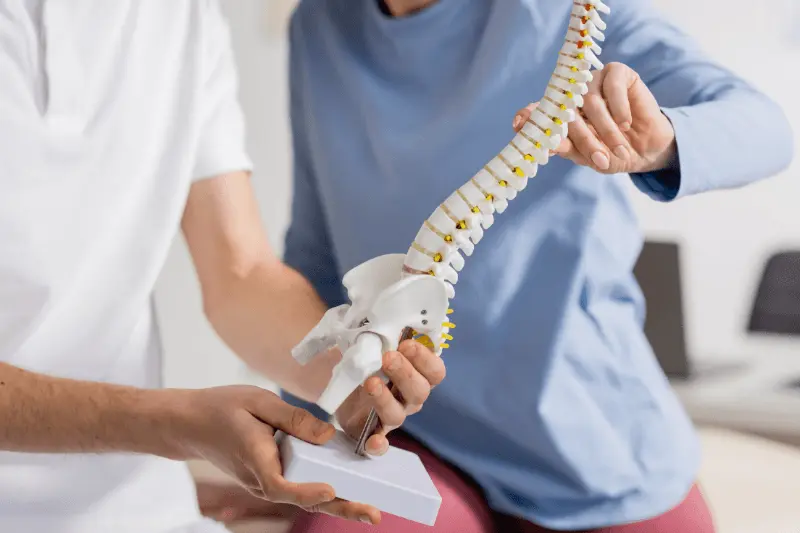
A herniated disc, sometimes called a ruptured or slipped disc, occurs when that outer wall actually tears, allowing the inner gel-like material to escape and potentially irritate nearby nerves. Alternatively, a bulging disc occurs when the outer wall of the disc weakens and extends beyond its normal boundary, but the outer wall remains intact.
Some of the most common causes of bulging or herniated discs include:
- Natural age-related degeneration that reduces disc hydration and flexibility
- Repetitive lifting, twisting, or bending, especially with poor body mechanics
- Sudden trauma from car accidents, sports injuries, or hard falls
- Excess body weight that places ongoing stress on the lumbar spine
- Smoking, which restricts blood flow and nutrient delivery to the discs
- Sedentary lifestyles and prolonged sitting, particularly with poor posture
- Occupational strain from physically demanding jobs or constant desk work
- Genetic predisposition and family history of spinal conditions
- Bone spurs (osteophytes) that develop alongside disc degeneration and place added pressure on surrounding structures
At Spine Solutions, Dr. Myers takes the time to investigate every possible contributing factor before recommending care. By identifying the specific drivers behind your disc damage, we create a personalized roadmap for healing that not only addresses your current symptoms but also helps protect your spine from further injury in the years ahead.
Common Herniated Disc Symptoms
Disc herniation symptoms vary widely from one person to the next. Some people experience a sharp, burning pain that shoots down an arm or leg, while others notice a dull ache, tingling, or numbness that comes and goes. The location and severity of your discomfort depend largely on where the herniation has occurred and whether the displaced disc material is pressing against a nerve.
While not every ache or twinge indicates a herniated disc, common disc herniation symptoms include:
- Pain that travels down one arm or leg (radiculopathy or sciatica)
- Numbness, tingling, or a “pins and needles” sensation in the extremities
- Muscle weakness that makes it difficult to lift, grip, or hold objects
- Pain that worsens with sitting, coughing, sneezing, or bending forward
- Loss of reflexes, balance issues, or difficulty walking normally
If any of these herniated disc symptoms have been disrupting your sleep, your work, or your ability to enjoy time with loved ones, reach out today to schedule a consultation with Dr. Myers.
Top-Rated Surgery for Herniated, Ruptured, & Bulging Discs in Miami, FL
When conservative herniated disc treatment options have been fully explored and symptoms continue to interfere with your quality of life, a surgical procedure may be the right next step for your condition.
At Spine Solutions, Dr. Myers specializes in minimally invasive techniques that address the source of your pain without the long recovery times associated with traditional open-back surgery. These advanced procedures use small incisions, specialized instruments, and image guidance to remove or repair the damaged disc material while preserving the surrounding healthy tissue.
Whether you need treatment or a more comprehensive surgical solution, request an appointment today at Spine Solutions in Hollywood, Boca Raton, or Coral Gables and get herniated disc care that is truly right for you.
Frequently Asked Questions About Herniated Disc Treatment
How long does it take to recover from a herniated disc?
When is surgery recommended for a herniated disc?
What types of surgery are available for a herniated disc?
The most common procedure for a herniated disc is a microdiscectomy, where Dr. Myers removes the small piece of herniated disc material that is pressing on the nerve. This is typically performed using a minimally invasive approach through an incision less than one inch long. For herniated discs in the neck, an anterior cervical discectomy and fusion may be recommended, where the disc is removed from the front of the neck and the space is stabilized.