
What is Sciatica?
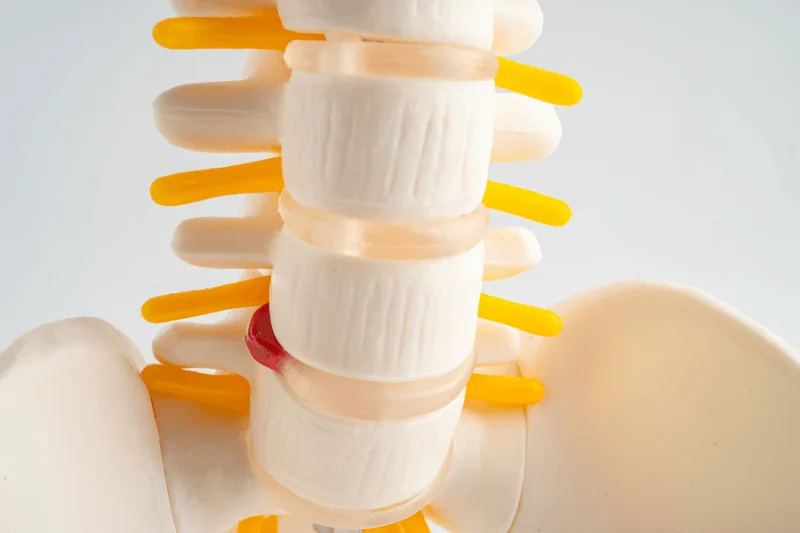
Sciatica, also known as lumbar radiculopathy, is not a standalone condition but a symptom of an underlying problem affecting the sciatic nerve, the longest and widest nerve in your body. This nerve runs from your lower back, through your buttocks, and all the way down each leg. When something compresses or irritates the sciatic nerve, it can cause pain, inflammation, numbness, or weakness anywhere along its path. Most people describe the sensation as a deep, burning ache or an electric shock-like jolt that worsens with prolonged sitting, sudden movements, or even coughing.
If you have been struggling with pain that seems to travel from your back into your leg, you may feel frustrated because the source of the discomfort is hard to pinpoint. At Spine Solutions in Hollywood, Boca Raton, and Coral Gables, Dr. Behnam Myers will uncover exactly what is irritating your nerve, whether it is a herniated disc, bone spur, or spinal narrowing, and recommend the right procedure to get you back to optimal health.
What Are the Causes of Sciatica?
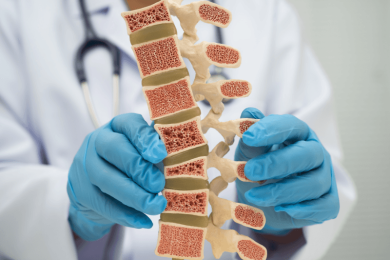
Several different spinal conditions can lead to sciatica by putting pressure on the sciatic nerve or the nerve roots that form it. A herniated or bulging disc is the most frequent cause. When the soft inner material of a spinal disc leaks out through a tear in the outer layer, it can press directly against the nerve root.
Spinal stenosis, or narrowing of the spinal canal, is another common cause, especially in adults over sixty. This narrowing can pinch the sciatic nerve where it exits the spine. Degenerative changes like bone spurs, thickened ligaments, or spondylolisthesis, where one vertebra slips forward over another, can also trigger sciatic symptoms. Less common but equally important causes include piriformis syndrome, where a small muscle deep in the buttocks spasms and traps the sciatic nerve, and injuries from falls or car accidents.
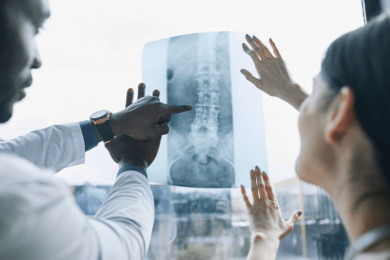
At Spine Solutions, our diagnostic process is thorough because effective treatment depends on knowing exactly what is causing your sciatica. We use advanced imaging and a detailed physical exam to identify the specific structure responsible for your sciatica pain.
Symptoms of Sciatica and Sciatic Nerve Pain
Sciatica pain typically radiates from your lower back into one leg, but the specific sensations can vary widely from person to person. Some patients report a mild ache, while others experience intense, disabling pain. Sciatica almost always affects only one side of the body. Common symptoms include:
- A burning, searing, or electric shock like pain that travels from the lower back through the buttock and down the back of the thigh
- Numbness or a pins and needles sensation in the leg, foot, or toes
- Weakness in the affected leg, making it difficult to lift the foot or walk normally
- Pain that worsens with prolonged sitting, standing up from a chair, or bending forward
- Relief when lying down on the opposite side or walking short distances
- Difficulty controlling the bladder or bowel, which requires immediate medical attention
You may be a good candidate for treatment at one of our Spine Solutions locations if your sciatica has persisted for more than a few weeks despite rest and over-the-counter medications, if the pain is preventing you from working or performing daily tasks, or if you are experiencing progressive weakness in your leg.
Our Approach to Sciatica Surgery in Miami & South Florida
When conservative treatments fail to provide adequate relief for your sciatica pain, or if you develop progressive weakness or loss of bowel or bladder control, surgery may be the right answer. Dr. Myers performs minimally invasive surgery to remove herniated disc material pressing on the sciatic nerve, as well as to create more space for nerve roots in cases of spinal stenosis. Our surgical approach focuses on smaller incisions, less muscle damage, and faster return to daily activities.
If you’re ready to take the next step in finding relief for your sciatica and sciatic nerve pain, contact our Spine Solutions team in Hollywood, Boca Raton, or Coral Gables to reclaim your life from pain today.
Frequently Asked Questions about Sciatica Surgery
How long does sciatica usually last?
Is walking good for sciatica?
When should I see a surgeon for sciatica?
You should consider a surgical consultation with Dr. Myers if your symptoms have not improved after six to eight weeks of nonsurgical treatment, if you have worsening leg weakness, or if pain is severely limiting your quality of life. Sudden loss of bladder or bowel control requires immediate emergency evaluation.