Understanding Spinal Fractures & Their Impact
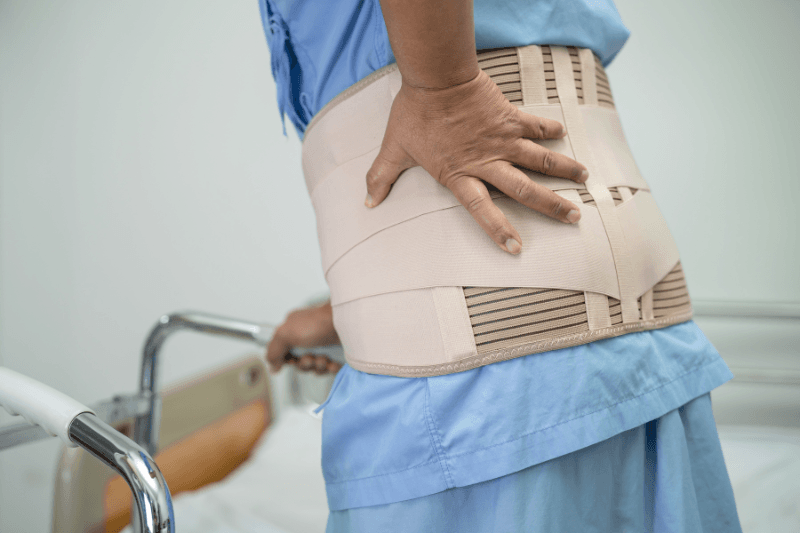
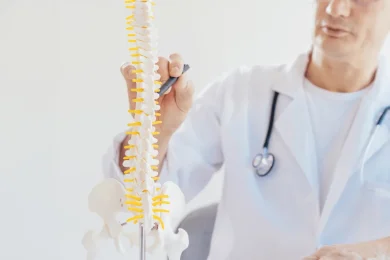
A spinal fracture is a break in one or more of the vertebrae, the bones that stack together to form your spine. While any fracture sounds alarming, not all spinal fractures are created equal. Some are stable and heal with rest and bracing, while others are unstable and require surgical intervention to protect your spinal cord.
The three most common types are compression fractures, where the front of a vertebra collapses and the back remains intact; burst fractures, where the vertebra shatters in multiple directions; and fracture dislocations, where the bone breaks and ligaments tear, allowing one vertebra to slip off another. Each type carries different risks and requires a different treatment approach.
A spinal fracture can impact nearly every aspect of your daily life. Simple actions like rolling over in bed, reaching for a coffee cup, or stepping off a curb suddenly become terrifying or impossible. At Spine Solutions in Hollywood, Boca Raton, and Coral Gables, board-certified orthopedic surgeon Dr. Benham Myers recognizes that treating a spinal fracture is not just about healing the bone but about restoring your sense of safety and control over your own body.
Spinal Fractures: Common Causes & Underlying Conditions
Spinal fractures occur when the force applied to a vertebra exceeds its strength. In younger adults, high-energy trauma is the usual culprit. Motor vehicle collisions, falls from significant heights, sports injuries, and violent acts generate enough force to crack even healthy bone. These patients often have multiple injuries and require coordinated trauma care.
In older adults, especially those with osteoporosis or osteopenia, spinal fractures can occur with minimal or even no remembered trauma. Simply stepping off a curb wrong, lifting a laundry basket, or even coughing forcefully can be enough to collapse a weakened vertebra.
Certain medical conditions also increase fracture risk significantly. Cancer that has spread to the spine can weaken vertebrae from the inside, leading to pathologic fractures. Prolonged use of corticosteroid medications, inflammatory arthritis, and eating disorders all compromise bone density.
At our Spine Solutions, our spine specialists look beyond the fracture itself to understand why it happened, because treating the cause is just as important as treating the fracture.
Understanding Your Symptoms: Do You Have a Spinal Fracture?
The symptoms of a spinal fracture depend on the location, severity, and stability of the break. Some fractures cause dramatic pain immediately after an injury, while others, particularly osteoporotic compression fractures, may cause subtle discomfort that patients mistake for a pulled muscle or normal aging. Knowing the warning signs can help you seek care before a minor fracture becomes a major problem. Common symptoms include:
- Sudden, severe back pain that worsens with standing or walking and improves somewhat when lying down
- Pain that shoots around the side of the body or into the abdomen, often mistaken for kidney stones or gallbladder issues
- Visible loss of height or a progressively curved, hunched forward posture over time
- Difficulty twisting, bending, or lifting even lightweight objects
- Pain with sneezing, coughing, or bearing down during a bowel movement
- New or worsening balance problems due to a shifted center of gravity
- Numbness, tingling, or weakness in the legs, which may indicate spinal cord involvement
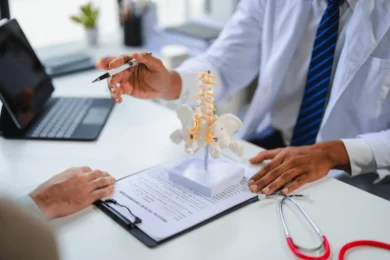
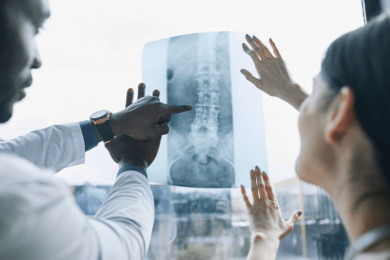
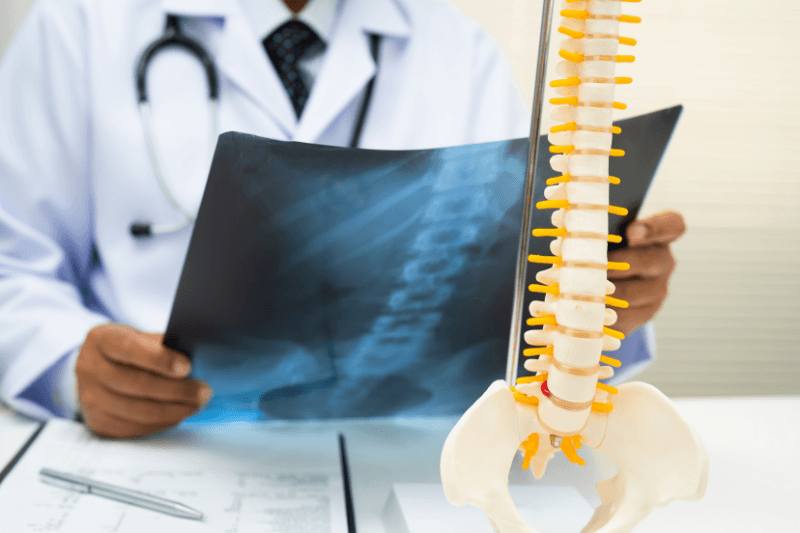
You should seek an evaluation at Spine Solutions if you have back pain following any fall or accident, even if the injury seemed minor at the time. Dr. Myers performs a thorough spinal exam and uses advanced imaging to determine exactly what is happening inside your spine to cause your pain.
Surgery for Spinal Fractures in Miami & South Florida
Unstable fractures, burst fractures, and fracture dislocations typically require surgery to prevent spinal cord injury or progressive deformity. Dr. Myers performs a spinal fusion procedure with instrumentation, using screws and rods to hold the fractured vertebrae in proper alignment while healing occurs. For patients with spinal cord compression, decompression is added to remove bone fragments from around the nerves.
Our approach emphasizes the least invasive procedure that achieves stability so you can get back to living the life you love. Patients throughout South Florida choose Spine Solutions because Dr. Myers has extensive experience managing both simple and complex spinal fractures, and he communicates clearly about what to expect during recovery.
Request an appointment today to get help with your spinal fracture challenges and get started on the road to a full recovery.
Frequently Asked Questions about Spinal Fractures
How long does a spinal fracture take to heal?
Will I need to wear a brace after a spinal fracture?
What happens if I do not treat a spinal fracture?
Untreated spinal fractures can lead to progressive collapse, worsening kyphosis or hunchback, chronic pain, reduced lung capacity, difficulty eating due to stomach compression, and balance problems that increase fall risk. Early treatment at Spine Solutions prevents these long-term complications and gets you back to your life sooner.